




Full Mouth Dental Implants Turkey Price: Your Complete Cost Guide
Understanding Full Mouth Dental Implants: A Comprehensive Overview
Full mouth dental implants represent a comprehensive solution for individuals facing significant tooth loss. This approach involves replacing all or nearly all of the teeth in the mouth with dental implants. Unlike traditional dentures or bridges, implants offer a permanent and stable replacement, closely mimicking the function and appearance of natural teeth. This section delves into the intricacies of full mouth dental implants, exploring why they are considered a leading option for comprehensive restorative dentistry, the procedures involved, and what patients can expect.
The decision to pursue full mouth dental implants is often made when a patient has extensive tooth decay, gum disease, or has experienced trauma leading to the loss of multiple teeth – often all of them. The consequences of untreated full mouth tooth loss extend beyond aesthetics, significantly impacting oral health, speech, chewing ability, and even self-esteem. The lack of sufficient teeth can lead to bone loss in the jaw, which can further compromise the stability of remaining teeth and potentially affect facial structure over time.
Why Choose Full Mouth Implants?
Several advantages contribute to the growing popularity of full mouth dental implants:
- Durability: Implants are incredibly strong and long-lasting, often providing a lifetime solution with proper care. The titanium post fuses with the jawbone through osseointegration, creating a stable foundation.
- Improved Functionality: Unlike dentures, implants do not slip or shift, allowing for confident and comfortable eating, speaking, and smiling. They restore the full chewing capacity of the mouth.
- Enhanced Aesthetics: The prosthetic teeth attached to implants are designed to seamlessly blend with natural teeth in terms of colour, shape, and size, resulting in a natural-looking smile.
- Bone Preservation: By stimulating bone growth, implants help prevent bone loss in the jaw, maintaining facial structure and preventing future complications.
- Improved Oral Health: Implants do not rely on adjacent teeth for support, unlike bridges, which can compromise the health of neighbouring teeth. This helps maintain a healthier overall oral environment.
The Full Mouth Implant Procedure: A Step-by-Step Approach
The process of receiving full mouth dental implants typically involves several stages, meticulously planned and executed by a dental professional.
- Initial Consultation and Assessment: This crucial first step involves a thorough examination of the patient’s oral health, including a detailed medical history, dental X-rays (such as panoramic radiographs and CT scans), and digital impressions or scans of the mouth. This assessment helps determine suitability for implants and plan the treatment.
- Treatment Planning: Based on the assessment, a detailed treatment plan is developed. This plan outlines the number and placement of implants, the type of prosthetic teeth to be used (crowns, bridges, or dentures supported by implants), and the estimated timeline and cost.
- Implant Placement: This surgical procedure involves placing titanium implants into the jawbone. The number of implants required varies depending on the extent of tooth loss and bone density. In many cases, a set of four to six implants can provide excellent support for a full arch restoration.
- Osseointegration: This is a critical healing phase, typically lasting several months, where the implants fuse with the jawbone. The bone grows around the implant posts, creating a strong and stable foundation.
- Abutment Placement: Once osseointegration is complete, abutments – small connectors – are attached to the implants. These abutments serve as the base for the prosthetic teeth.
- Prosthetic Attachment: The final stage involves attaching the custom-made prosthetic teeth to the abutments. These can be individual crowns, a fixed bridge, or a denture that is securely attached to the implants.
What to Expect During Recovery
The recovery period following full mouth implant surgery varies depending on the individual and the complexity of the case. Most patients experience some degree of discomfort, which can be managed with over-the-counter pain medication. Swelling and bruising are also common. The dental team will provide specific post-operative instructions, including dietary recommendations (typically soft foods) and oral hygiene guidelines. Regular follow-up appointments are necessary to monitor healing and ensure successful osseointegration. Full recovery and healing can take several months.
Several factors can influence the cost of full mouth dental implants, including the number of implants needed, the type of prosthetic used, and the geographical location of the dental practice. However, while the initial investment can be substantial, the long-term benefits of implant dentistry often outweigh the costs, providing a durable and restorative solution for full mouth tooth loss.
Benefits of Full Mouth Dental Implants in Turkey: Restoring Confidence and Function
Full mouth dental implants in Turkey offer a transformative solution for individuals facing extensive tooth loss. More than just replacing missing teeth, this comprehensive treatment aims to restore both aesthetic appeal and complete oral functionality. For those dealing with severe decay, gum disease, or congenital issues leading to the loss of most or all teeth, a full mouth implant strategy can dramatically improve quality of life.
One of the most significant benefits is the restoration of natural appearance. Unlike traditional dentures or bridges, dental implants are designed to look, feel, and function like natural teeth. The implants themselves are typically made of biocompatible titanium, securely anchored in the jawbone. Artificial teeth, known as crowns, are then attached to these implants, seamlessly blending with the patient’s existing dentition. This results in a natural-looking smile, boosting self-esteem and confidence.
Beyond aesthetics, full mouth implants dramatically enhance oral function. Missing teeth can severely impact chewing ability, making it difficult to eat a balanced diet. With implants, patients regain the full range of chewing power, improving nutrition and overall health. The stability provided by implants also allows for comfortable speech and prevents shifting of remaining teeth, a common concern with extensive tooth loss.
The long-term durability of full mouth dental implants is another compelling advantage. When properly cared for, implants can last a lifetime. This longevity represents a significant investment in oral health, eliminating the recurring costs associated with dentures, bridges, and frequent tooth replacement. Studies have shown that with good oral hygiene and regular dental check-ups, dental implants have a success rate exceeding 95% over several decades.
Furthermore, full mouth implant treatment in Turkey is often more accessible in terms of cost compared to many Western countries. The country has a burgeoning dental tourism industry, attracting patients with its skilled professionals and competitive prices without compromising on quality. This affordability doesn’t equate to a reduction in standards; Turkish dental clinics often adhere to international best practices and utilize advanced technologies.
The process of full mouth implant treatment generally involves several stages, including comprehensive evaluation, implant placement, osseointegration (the process where the implant fuses with the jawbone), and finally, the attachment of the artificial teeth. While the initial investment may seem substantial, the long-term benefits of restored function, improved aesthetics, and enhanced confidence make full mouth dental implants a worthwhile consideration for those seeking a complete solution to extensive tooth loss.
Many patients report a profound improvement in their overall well-being after undergoing full mouth dental implant treatment. The ability to eat comfortably, speak clearly, and smile confidently can have a significant positive impact on mental health and social interactions. This comprehensive approach to dental restoration provides a lasting solution for individuals seeking to regain a full, healthy, and functional smile.
Conclusion
Full Mouth Dental Implant Procedure: A Step-by-Step Guide
A full mouth dental implant procedure is a comprehensive treatment designed to restore all missing teeth. This complex process involves replacing all teeth in the upper and lower jaws with dental implants. The procedure is typically undertaken when a patient has experienced significant tooth loss due to gum disease, trauma, or other factors. Understanding the steps involved provides clarity on what to expect and highlights the commitment required for successful restoration.
The journey of a full mouth dental implant begins with a thorough initial evaluation. This phase is crucial for determining a patient’s suitability for implants and meticulously planning the treatment. A dentist will conduct a comprehensive examination, including a detailed medical history and potentially, advanced imaging such as cone-beam computed tomography (CBCT). CBCT provides a three-dimensional view of the jawbone, allowing the dentist to assess bone density and volume – key factors for implant success. This assessment helps in determining the optimal implant placement and the need for any bone grafting procedures.
Following the initial assessment, any necessary pre-operative procedures are carried out. Bone grafting might be required if insufficient bone volume exists to support the implants. This involves adding bone material to the jawbone, allowing it to integrate with the existing bone over several months. For some patients, particularly those with significant bone loss, this step is essential. Another crucial aspect of pre-op is ensuring the patient’s overall health is conducive to surgery. Addressing any underlying medical conditions is vital for minimising risks.
The surgical phase is where the actual implant placement occurs. Under local anaesthesia, the dentist will create an opening in the gum tissue to reach the jawbone. Then, a pilot hole is drilled into the bone at the planned implant site. The dental implant, a small titanium post, is carefully inserted into this hole. Once in place, the hole is filled with bone cement. After the implant is securely positioned, the gum tissue is stitched closed. This surgical procedure is generally performed over several sessions for full mouth cases to manage complexity and healing.
Osseointegration is a critical period following surgery. This is the process where the titanium implant fuses with the jawbone, creating a stable and permanent foundation for the replacement teeth. This process typically takes several months—usually around 3 to 6 months—depending on the individual’s healing rate and the quality of the jawbone. During this time, patients may be advised to follow specific dietary guidelines and maintain meticulous oral hygiene to promote optimal healing.
Once osseointegration is complete, the next phase involves the placement of the abutments. Abutments are connecting pieces that attach the dental implant to the artificial teeth. These are carefully fitted to the implants to ensure proper alignment and support. A healing cap may be placed on top of the implant during the osseointegration period, and this is then replaced with an abutment once it’s fully integrated.
The final stage is the placement of the artificial teeth – the crowns. These crowns are custom-made to match the colour, shape, and size of the patient’s natural teeth. They are attached to the abutments, completing the full mouth dental implant restoration. The dentist will meticulously adjust the crowns to ensure proper bite and aesthetics.
After the final restoration, regular maintenance is essential for long-term success. This includes routine dental check-ups and professional cleanings to ensure the implants and surrounding tissues remain healthy. Proper oral hygiene practices at home, such as brushing and flossing, are also crucial for preventing gum disease and maintaining the longevity of the implants. The success rate of full mouth dental implants is high, often exceeding 95% over a 10-year period, with proper care and maintenance. This makes it a reliable and lasting solution for individuals seeking to restore their smile and oral function.
Factors Influencing Full Mouth Dental Implant Costs in Turkey
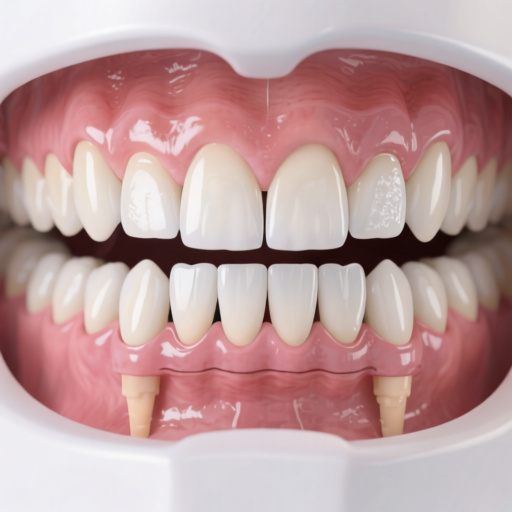
The cost of full mouth dental implants in Turkey isn’t a one-size-fits-all figure. Several interconnected factors contribute to the final price, making it crucial for prospective patients to understand these elements. These factors span from the complexity of the case to the materials used and the clinic’s reputation. A detailed understanding of these influences allows for a more realistic budget and informed decision-making process.
One of the primary drivers of cost is the extent of the treatment required. A full mouth rehabilitation typically involves replacing all teeth – both upper and lower arches. The number of implants needed directly impacts the overall expense. This number can fluctuate based on the patient’s initial oral health, the number of missing teeth, and the quality of the remaining bone structure. A patient needing 12 implants will naturally incur a different cost than someone requiring 18 or more.
The type of implant chosen significantly affects the price. Several implant systems are available, each with its own characteristics and cost implications. Generally, implants made from titanium are the most common and cost-effective option. However, advanced materials like zirconia implants or those with enhanced surface treatments can be more expensive, though they may offer advantages in certain cases, particularly for patients with sensitive tissues or specific bone densities. The brand of implant also plays a role, with established international brands often commanding a premium due to their proven track record and rigorous quality control.
Beyond the implant itself, the complexity of the surgical procedure plays a crucial part in the overall cost. Cases requiring bone grafting are typically more expensive. Bone grafting is often necessary when the jawbone has resorbed due to periodontal disease or prolonged toothlessness, providing the necessary foundation for successful implant placement. The amount of bone graft required and the type used (autogenous, allograft, xenograft, or synthetic bone) will all influence the price. Similarly, intricate surgical approaches, such as those involving sinus lifts for upper jaw implants, will add to the expense.
Furthermore, the laboratory work involved in creating the final restoration – the crowns, bridges, or dentures – contributes to the total cost. The materials used for these restorations also have a significant impact. Porcelain fused to metal (PFM) crowns are generally less expensive than all-ceramic or zirconia crowns. The precision required for the fabrication of these custom restorations is paramount to ensure a natural look and comfortable fit, adding to the overall labour cost.
The clinic’s reputation, experience, and location within Turkey also influence pricing. Clinics with a strong international reputation, experienced surgeons, and state-of-the-art facilities often charge more. While this might represent a higher initial investment, it often translates to better outcomes and a more comfortable patient experience. Clinics located in major metropolitan areas like Istanbul might have slightly higher overhead costs compared to those in smaller cities, which can be reflected in their pricing structure.
Finally, pre-operative assessments and post-operative care are integral to the full mouth implant process and contribute to the overall cost. Comprehensive evaluations, including digital scans, 3D imaging (CBCT), and detailed treatment planning, are essential for a successful outcome. Post-operative appointments for monitoring healing, adjusting restorations, and ensuring long-term stability are also factored into the total price. These costs, while seemingly smaller individually, collectively contribute to the overall investment in restoring a patient’s smile and oral health. Understanding these factors allows individuals to explore options and make informed choices aligned with their budget and needs.
Breakdown of Full Mouth Dental Implant Expenses: A Detailed Cost Analysis
The cost of full mouth dental implants in Turkey can vary significantly depending on several factors. Understanding these elements is crucial for planning a budget and making an informed decision. This analysis breaks down the typical expenses involved, providing a comprehensive overview of what to expect.
Initial Consultation and Assessment
The first step involves a thorough consultation with a dental implant specialist. This assessment typically includes a comprehensive examination, digital X-rays, and potentially a 3D scan of the mouth. The dentist will evaluate the patient’s overall oral health, assess bone density, and discuss treatment options tailored to their specific needs. The cost of this initial consultation generally ranges from €50 to €150. This fee covers the dentist’s time, diagnostic procedures, and the development of a personalized treatment plan.
Bone Grafting (If Necessary)
In many cases, the existing bone structure in the jaw may not be sufficient to support dental implants. Bone grafting is a surgical procedure to augment the bone volume. The cost of bone grafting can vary considerably based on the amount of bone required and the type of graft material used. Options include:
- Autograft: Using the patient’s own bone, typically from the hip or jawbone. This is generally the most expensive option, costing anywhere from €800 to €2,500.
- Allograft: Using bone from a deceased donor. This can cost between €600 and €1,800.
- Xenograft: Using bone from an animal source, often bovine (cow) bone. This is usually the most affordable bone grafting option, with costs ranging from €400 to €1,200.
The required bone grafting procedure will significantly impact the overall cost of the full mouth implant treatment.
Dental Implants
The number of implants needed for a full mouth restoration can range from 10 to 32, depending on the extent of missing teeth. The price per implant in Turkey is generally competitive compared to many Western countries. Expect to pay between €1,200 and €2,500 per implant. The cost can fluctuate depending on the brand and type of implant chosen. Popular implant brands often include Nobel Biocare, Straumann, and Zimmer. These implants are typically made from biocompatible titanium and are known for their longevity and reliability.
Abutments and Crowns
Once the implants have osseointegrated (fused with the jawbone), abutments are attached to the implants. These act as connectors between the implants and the final crowns. The cost of an abutment typically ranges from €400 to €800 per implant, depending on the material and design. The crowns, which are the visible replacement teeth, are then cemented or screwed onto the abutments. The price of a crown per implant usually falls between €800 and €1,500, depending on the material (porcelain fused to metal, zirconia, or all-ceramic).
Additional Costs
Beyond the core procedures, several other costs may be incurred:
- Digital Imaging (3D Scan): This can add between €100 and €300 to the overall cost.
- Sedation: For patients experiencing anxiety, sedation options such as nitrous oxide or oral sedatives may be used, costing between €200 and €600 per procedure.
- Maintenance and Follow-up Appointments: Regular check-ups and cleanings are essential for the long-term health of dental implants. Budget approximately €200 to €500 per year for these appointments.
Total Estimated Cost
Based on the above breakdown, the total cost of full mouth dental implants in Turkey can range from €9,000 to €25,000 or more. This is a broad estimate, and the actual cost will depend on the individual’s specific needs and the chosen materials and providers. It’s important to obtain detailed quotes from multiple clinics to compare prices and services.
For instance, a patient requiring bone grafting, 20 implants, and 20 crowns could face a cost in the region of €18,000 to €35,000. However, simpler cases with minimal bone loss and fewer implants will naturally be less expensive.
It should be noted that while the initial implant cost in Turkey is generally lower, patients should also consider potential travel and accommodation expenses.
Why Turkey is a Popular Choice
Turkey has become a favoured destination for dental implants due to several reasons:
- Cost-effectiveness: The cost of treatment is significantly lower compared to many European and North American countries.
- Highly skilled professionals: Turkey boasts a growing number of experienced and qualified dental implant specialists.
- Advanced technology: Clinics often utilize cutting-edge technology for diagnosis and treatment.
- Tourism infrastructure: Turkey offers a well-developed tourism industry, making it convenient for patients to combine treatment with a holiday.
Choosing the Right Clinic and Surgeon for Full Mouth Implants in Turkey
Deciding on a full mouth implant procedure is a significant step, and the choice of clinic and surgeon plays a pivotal role in the outcome. Turkey has emerged as a popular destination for dental implants, offering competitive pricing and a high standard of care. However, with numerous clinics and practitioners, navigating the selection process can feel daunting. This section outlines key factors to consider when choosing the right provider for your full mouth implants in Turkey.
Assessing Clinic Accreditation and Experience
The reputation and accreditation of a dental clinic are crucial indicators of its quality and adherence to international standards. Look for clinics accredited by reputable organisations such as the Turkish Dental Association (TDA) and potentially international bodies like the European Federation of Periodontology (EFP). Accreditation signifies that the clinic meets specific standards regarding facilities, equipment, and staff qualifications.
Beyond accreditation, the clinic’s experience with full mouth implants should be a primary consideration. Inquire about the number of similar procedures they perform annually and the specific experience of the surgeons. A clinic with a proven track record demonstrates proficiency and a higher likelihood of successful outcomes. You might ask about their success rates and any specific protocols they follow for complex cases.
Evaluating the Surgeon’s Qualifications and Specialisation
The surgeon’s qualifications are paramount. Ensure the dental surgeon is fully qualified and holds the necessary certifications to perform implant dentistry. Look for surgeons who have specific training and experience in full mouth rehabilitation. This might involve additional postgraduate studies or fellowships focused on implantology. Understanding their areas of expertise – such as experience with different implant systems (e.g., Straumann, Nobel Biocare) – can also be beneficial.
It is worthwhile to research the surgeon’s professional background. Websites, professional directories, and patient testimonials can offer valuable insights into their experience and patient satisfaction. Don’t hesitate to ask about their approach to treatment planning and their experience managing potential complications.
Understanding the Clinic’s Technology and Facilities
Modern dental implants rely on advanced technology. A reputable clinic will invest in state-of-the-art equipment, including diagnostic tools like CBCT (Cone-Beam Computed Tomography) scanners, which provide detailed 3D images of the jawbone. This technology is vital for accurate treatment planning and implant placement.
Furthermore, assess the clinic’s facilities for hygiene and comfort. A clean and well-equipped environment contributes to a smoother and more reassuring experience. Consider factors like sterilization protocols and the availability of modern recovery spaces. A clinic that prioritises these aspects demonstrates a commitment to patient well-being.
Communication and Language Support
Effective communication is essential throughout the treatment process. Ensure the clinic has staff who are fluent in your language or can provide professional translation services. Clear communication regarding the treatment plan, potential risks, and post-operative care is vital for your peace of mind and successful recovery.
A responsive clinic will address your queries promptly and provide thorough explanations. Don’t hesitate to ask questions and seek clarification on any aspect of the procedure. This transparency builds trust and ensures you are fully informed every step of the way.
Cost Transparency and Aftercare
A transparent fee structure is crucial. Obtain a detailed breakdown of all costs involved, including consultations, implants, abutments, and any potential additional procedures. Understand what is included in the quoted price and what might incur extra charges.
Equally important is the clinic’s approach to aftercare. Inquire about post-operative instructions, follow-up appointments, and any support provided during the healing process. A comprehensive aftercare plan is essential for ensuring the long-term success and longevity of your full mouth implants.
References
- Turkish Dental Association (TDA) website: https://www.dtfd.org.tr/
- European Federation of Periodontology (EFP) website: https://www.efp.org/
- Information on implant systems (Straumann, Nobel Biocare): Available on their respective websites.
Financing Options for Full Mouth Dental Implants: Making Them Accessible

The prospect of full mouth dental implants in Turkey can seem daunting, not just due to the comprehensive nature of the treatment but also due to the associated costs. However, various financing options are available to make this life-changing procedure more accessible. Understanding these options is a crucial step towards achieving a complete smile restoration.
Payment Plans Offered by Dental Clinics
Many dental clinics in Turkey offer flexible payment plans designed to ease the financial burden. These plans often involve an initial deposit followed by monthly instalments spread over a period of several months or even years. The duration and amount of each instalment can vary depending on the clinic’s policy and the total cost of the treatment. It’s advisable to discuss these plans directly with the clinic’s finance department to find an option that aligns with individual financial circumstances. These plans can significantly reduce the initial outlay required, making the procedure more manageable.
Healthcare Financing Companies
Several healthcare financing companies operate in Turkey, providing loans specifically for medical procedures, including dental implants. These companies assess applicants based on creditworthiness and offer loans with varying interest rates and repayment terms. Comparing offers from different financing companies is recommended to secure the most favourable terms. A key factor to consider is the interest rate and any associated fees, as these can impact the overall cost of the treatment. The application process typically involves providing documentation such as proof of income and identification.
Credit Cards with Installment Options
Many credit card providers in Turkey offer instalment plans for large purchases, including medical treatments. This allows individuals to spread the cost of their full mouth dental implants over several months without incurring additional interest charges, provided they pay off the balance within the promotional period. It’s important to check the terms and conditions of the credit card offer, including the promotional period and any applicable fees. This can be a convenient option for those who already have a credit card with a suitable instalment plan.
Government Support and Insurance (Limited Availability)
While comprehensive dental implant coverage through public health insurance in Turkey is generally limited, some government initiatives or specific insurance plans may offer partial coverage for certain dental procedures. It’s worth investigating whether any applicable schemes exist based on individual circumstances and eligibility criteria. Researching these options thoroughly is essential to understand the extent of potential financial assistance.
Third-Party Financing Providers
Numerous third-party financing providers specialize in healthcare loans. These providers often offer more flexible terms and may be an option for individuals who may not qualify for traditional bank loans. It’s crucial to carefully review the terms and conditions, including interest rates and fees, before agreeing to a financing agreement with a third-party provider.
For instance, a patient requiring a full mouth implant might find that a clinic offers a 12-month payment plan with a 10% upfront deposit. This allows them to begin their treatment without a large initial expense. Alternatively, a healthcare financing company might offer a longer-term loan with a slightly higher overall cost but lower monthly repayments, providing greater financial flexibility.
The availability and terms of financing options can vary between clinics, so direct inquiry is always recommended. Understanding these options empowers individuals to make informed decisions about financing their full mouth dental implants and achieving a healthy, confident smile.
Important Considerations
When exploring financing options, it’s crucial to:
- Carefully compare interest rates and fees across different providers.
- Understand the repayment terms and ensure they are manageable.
- Read the fine print of any financing agreement.
- Consider the total cost of the treatment, including all associated fees.
- Ensure the financing option aligns with your long-term financial goals.
Real-World Scenario
Consider the case of Sarah, a 55-year-old who requires a full mouth dental implant to address significant tooth loss. The total cost of the treatment in Turkey is estimated at €8,000. Without financing, this represents a substantial financial burden. By opting for a clinic’s 12-month payment plan, Sarah can spread the cost over a more manageable period, making the treatment accessible without depleting her savings completely. This approach allows her to prioritise her oral health and regain her confidence.
By exploring the various financing choices available, individuals can navigate the cost of full mouth dental implants in Turkey and work towards achieving their dental goals.
Long-Term Maintenance and Care for Full Mouth Dental Implants
Maintaining good oral hygiene is paramount for the longevity and success of full mouth dental implants. A proactive approach to care ensures these implants function optimally for decades. This section details the essential steps involved in long-term maintenance, transforming your investment into a lasting solution.
Daily Oral Hygiene Practices
Consistent and meticulous daily oral hygiene forms the bedrock of implant care. Brushing twice daily is fundamental. Employ a soft-bristled toothbrush and fluoride toothpaste. Focus on cleaning around the gumline, where the implant abutment meets the tissue. This prevents plaque and bacteria accumulation, which can lead to peri-implantitis – an inflammatory condition affecting the tissues supporting the implant. Consider using interdental brushes or floss threaders to effectively clean between the implants and natural teeth. These tools reach areas a standard toothbrush cannot.
Furthermore, an antimicrobial mouthwash can be a beneficial addition to your routine. Choose a mouthwash recommended by your dentist, often containing chlorhexidine or other antibacterial agents. Use as directed, as prolonged use of some mouthwashes can have adverse effects. Proper cleaning extends to the artificial components of your restoration. For fixed full mouth solutions like bridges and dentures, carefully clean these according to your dentist’s instructions. Avoid abrasive cleaners that could damage the surfaces. Regular rinsing after meals helps remove food particles and reduces bacterial load.
Regular Dental Check-ups and Professional Cleaning
Routine visits to your dentist are non-negotiable for maintaining implant health. Schedule check-ups and professional cleanings at least every six months, or as recommended by your dental professional. These appointments allow your dentist to assess the overall health of your implants, gums, and surrounding bone. Early detection of potential problems, such as peri-implantitis, significantly increases the chances of successful treatment.
Professional cleanings go beyond daily brushing and flossing. A dental hygienist uses specialized instruments to remove plaque and tartar buildup from all surfaces of the implants and around the gumline. This meticulous cleaning removes deposits that are difficult to reach at home. During these appointments, your dentist may also take X-rays to monitor the bone levels around the implants, ensuring adequate support. Regular monitoring allows for timely interventions, preventing minor issues from escalating.
Lifestyle Factors and Habits
Several lifestyle factors directly impact the health of your full mouth dental implants. Smoking significantly increases the risk of implant failure and peri-implantitis. Nicotine restricts blood flow, hindering bone healing and increasing inflammation. Quitting smoking is one of the most important steps you can take to protect your implants.
Diet also plays a vital role. A balanced diet rich in calcium and Vitamin D is essential for maintaining strong bones, which are crucial for implant stability. Avoid excessively hard or chewy foods that could put undue stress on the implants or restorations. Bruxism, or teeth grinding, can also damage implants. If you grind your teeth, your dentist may recommend a night guard to protect your implants from excessive forces. Managing stress through relaxation techniques can also help reduce bruxism.
Monitoring for Potential Issues
Being aware of potential problems is key to early intervention. Signs of peri-implantitis include:
- Gum redness, swelling, or bleeding around the implants.
- Persistent bad breath or unpleasant taste.
- Loose implants.
- Changes in bite.
If you notice any of these symptoms, contact your dentist immediately. Early treatment, which may involve scaling and root planing (a deep cleaning procedure) or other interventions, can often prevent further damage. Regular self-exams of your mouth can help you identify any issues early on. Prompt attention to these warning signs can significantly improve the long-term success of your dental implants.
This information is for general guidance only and does not constitute medical advice. It is essential to consult with your qualified dental professional for personalised advice regarding your specific situation.
Protecting Your Investment: Insurance and Warranty Considerations
Investing in full mouth dental implants in Turkey represents a significant financial commitment. Ensuring this investment remains secure and functioning optimally requires careful consideration of insurance options and warranty provisions. While dental implants are generally very durable, unforeseen circumstances can arise, making proactive planning crucial.
Understanding Implant Warranties
Most dental clinics offering implants in Turkey provide some form of warranty on their work. The specifics of these warranties can vary considerably, so it is essential to thoroughly understand the terms before proceeding. Typically, warranties cover the quality of the implants themselves and the surgical procedure performed. These warranties often address issues like implant failure due to manufacturing defects or complications arising directly from the surgical placement.
However, it’s important to note what warranties don’t typically cover. General wear and tear, lack of proper oral hygiene, pre-existing medical conditions, or trauma to the implants are usually excluded. The duration of a warranty can also differ. Some clinics offer warranties ranging from a few years to a lifetime, although a lifetime warranty may come with specific conditions and limitations. Always request a detailed breakdown of the warranty coverage in writing.
Exploring Insurance Options
Dental insurance for implants can be complex. In many countries, standard dental insurance plans have limitations on the coverage they offer for implant procedures. This is because implants are often considered a major dental investment rather than routine care. However, there are specific insurance products and supplemental plans designed to address these costs.
Some individuals may find that their private health insurance policies offer some level of coverage for dental work, including implants. It’s prudent to review the details of your existing policy or explore options with insurance brokers who specialise in comprehensive dental coverage. Additionally, some clinics in Turkey may have partnerships with international insurance providers, simplifying the claims process for patients from overseas. This can significantly ease the financial burden associated with the procedure.
The Role of Aftercare and Maintenance
Beyond warranties and insurance, diligent aftercare plays a vital role in protecting your investment. Proper oral hygiene is paramount for the longevity of dental implants. This involves regular brushing, flossing, and professional cleanings as recommended by your dentist.
Furthermore, adhering to any specific post-operative instructions provided by the dental team is crucial for successful healing and long-term stability of the implants. This might include dietary restrictions or avoiding certain activities during the initial recovery period. Consistent check-ups with your dentist in Turkey and your local dental practitioner are also recommended to monitor the health of your implants and address any potential issues early on. Regular monitoring can help identify and resolve minor problems before they escalate into more significant and costly complications.
It’s a common misconception that once dental implants are in place, there is no ongoing cost. However, maintenance and potential repairs should be factored into long-term financial planning.
Practical Tips for Protection
Here are some practical steps to consider:
- Request a detailed warranty document: Ensure you understand the scope, duration, and limitations of the warranty.
- Investigate insurance options: Explore both your existing coverage and supplementary plans.
- Follow post-operative instructions meticulously: Adherence to aftercare guidelines is vital.
- Maintain excellent oral hygiene: Brush and floss regularly.
- Schedule regular check-ups: Monitor the health of your implants.
- Consider a maintenance plan: Some clinics offer ongoing maintenance packages.
- Keep detailed records: Maintain copies of all documentation related to your implants, including invoices, warranties, and insurance information.
By proactively addressing these aspects, individuals can significantly enhance the longevity and value of their full mouth dental implant investment in Turkey.
Conclusion
Understanding Full Mouth Dental Implants: A Comprehensive Overview

Full mouth dental implants offer a transformative solution for those grappling with extensive tooth loss, representing a long-term investment in oral health and overall well-being. As we’ve explored, this comprehensive approach provides not just cosmetic improvements but also restores functionality, boosts confidence, and prevents further bone loss – all of which contribute to a better quality of life. From the detailed procedure and associated costs, to financing options and long-term care, understanding the nuances of full mouth implants is crucial for making informed decisions. Ultimately, the aim is to reclaim a healthy, functional smile and regain the ability to enjoy life’s simple pleasures without limitations.
The journey toward a full mouth smile with implants requires careful consideration and a partnership with a skilled dental professional. While the initial investment may seem significant, the enduring benefits of improved oral health, enhanced self-esteem, and the prevention of future complications make it a worthwhile consideration. By understanding the various aspects of the process, from initial consultation to ongoing maintenance, individuals can confidently pursue this life-changing treatment.
In conclusion, full mouth dental implants are a powerful and sustainable solution for comprehensive tooth restoration, offering a permanent alternative to traditional methods. By prioritizing professional guidance, exploring financing options, and committing to diligent care, patients can unlock the potential for a renewed smile and a brighter future. The prospect of a complete, functional, and aesthetically pleasing mouth is within reach – a future where confidence and comfort are restored through the enduring strength of dental implants.
Before & Afters/s


